
Author: Antonella Del Rosso
-
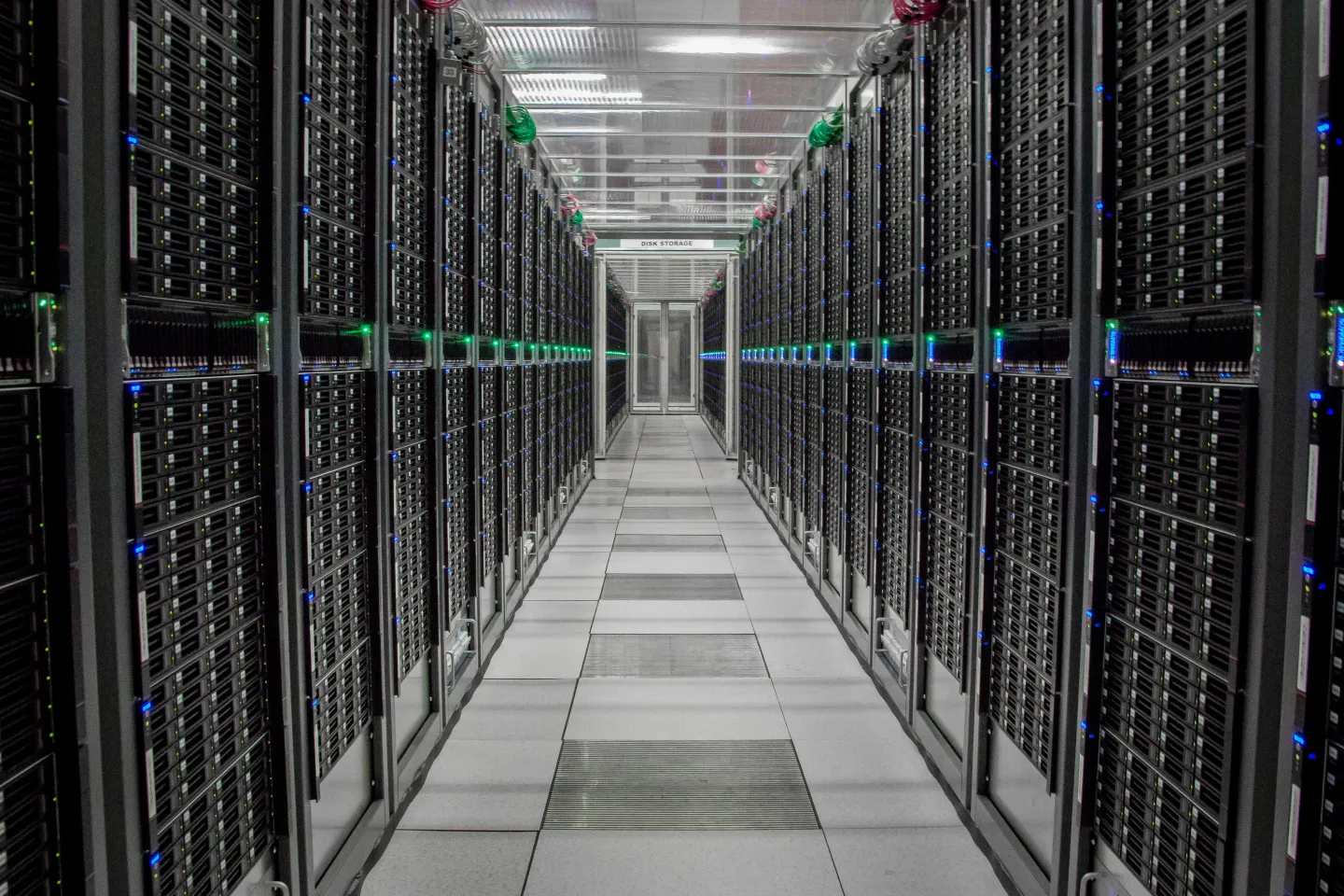
When failure is good news
The software managing CERN’s compute workload has handled a massive stress test, far beyond normal operating conditions, designed to simulate the needs of the future
-
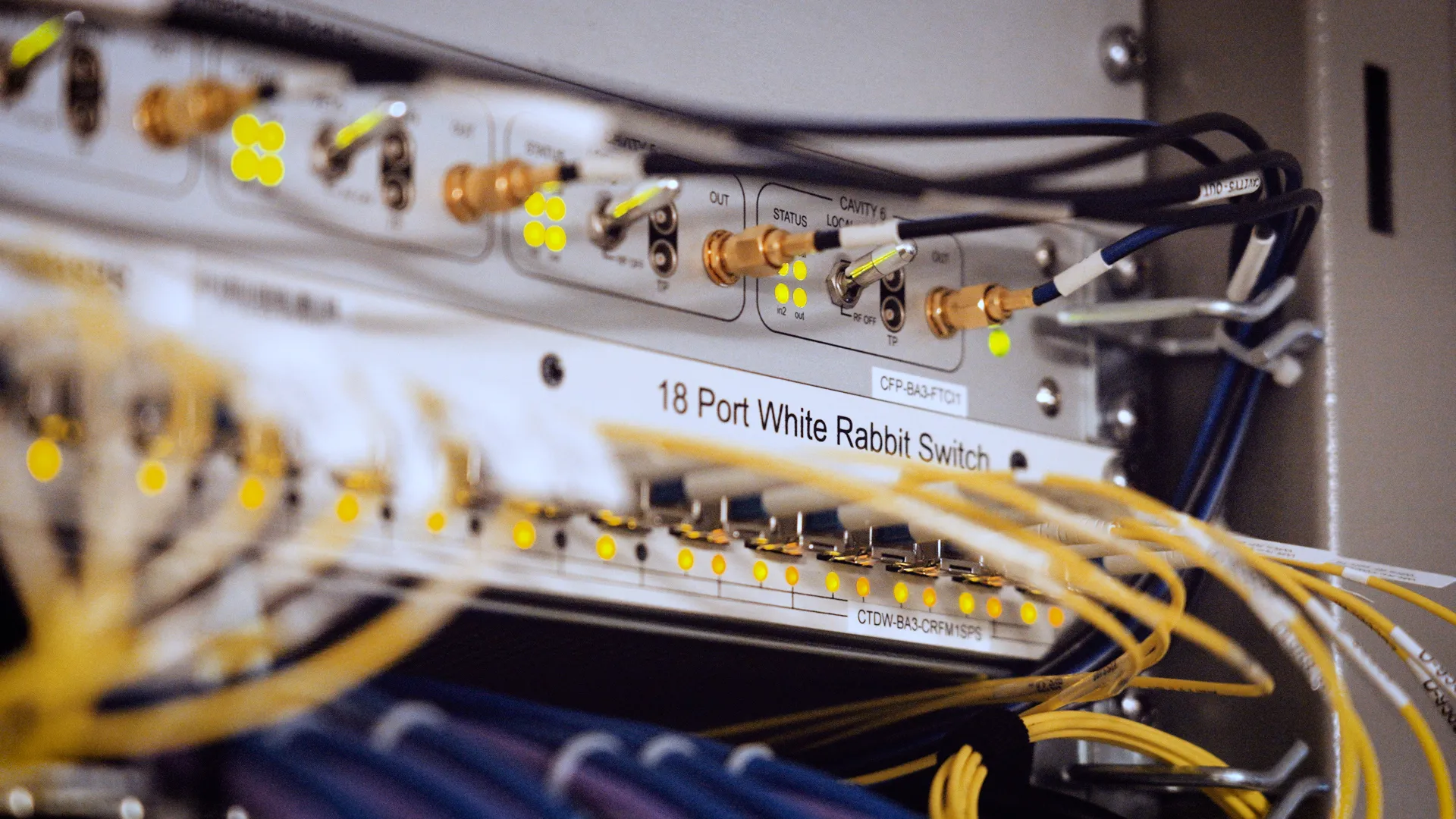
White Rabbit meets quantum entanglement
The CERN-born open-source timing technology is being tested for use in quantum networks and secure quantum communication
-

CERN teams up with Luxembourg and the World Food Programme to tackle global hunger
The new partnership aims to leverage state-of-the-art AI technology to speed up progress towards a world with zero hunger
-
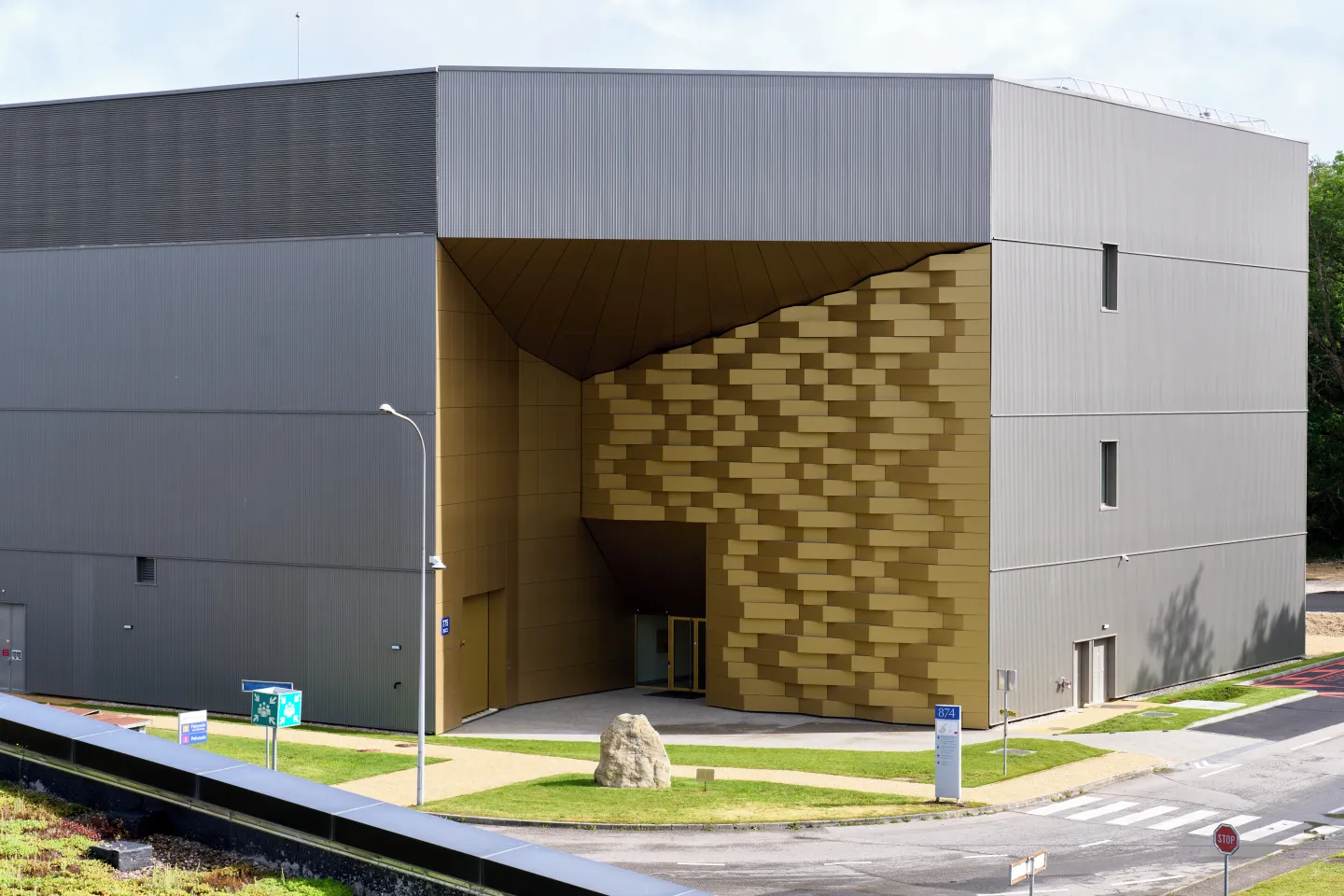
How CERN IT keeps up with the data deluge
At CERN we are used to dealing with a deluge of data, but the numerical value behind the word “deluge” has significantly evolved over the years
-
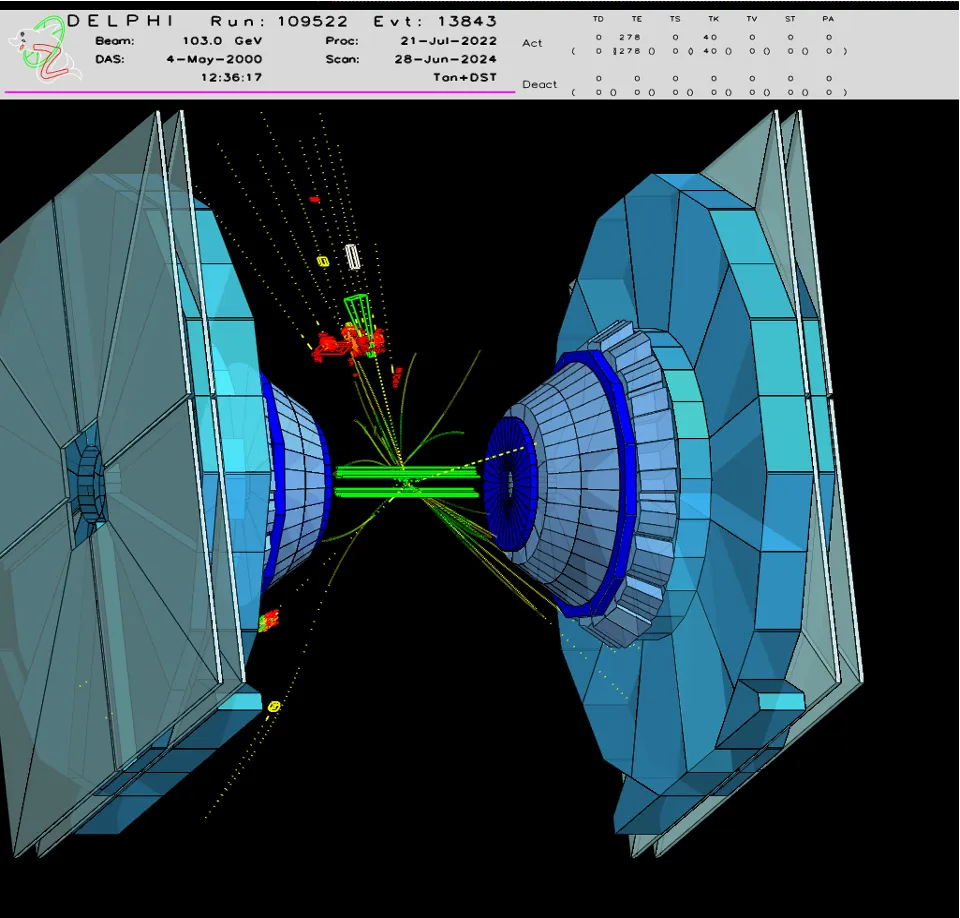
Digital archaeology: new LEP data now available to all
Retrieving and preserving access to data from experiments that ran in the 90s is a complex task carried out by passionate experts in the IT department
-
CERN welcomes International Year of Quantum Science and Technology
On the centenary of quantum mechanics — the bedrock of particle physics and enabler of numerous technologies – CERN is contributing to the development of a new generation of quantum technologies for fundamental research and beyond.
-
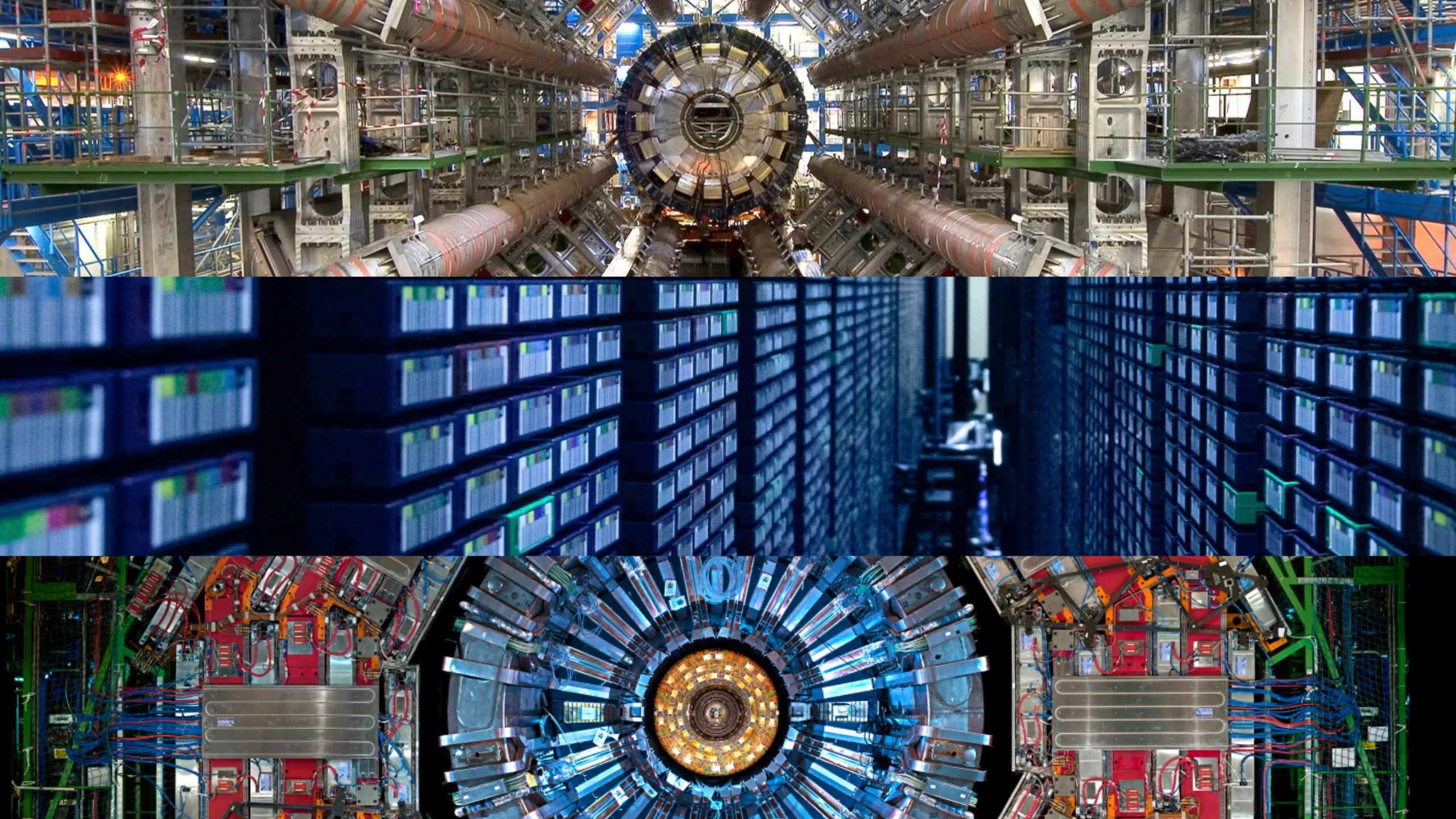
The next-generation triggers for CERN detectors
The recently launched Next-Generation Triggers project is set to remarkably increase the efficiency, sensitivity and modelling of CERN experiments
-
Indico: 20 years of event managing
The CERN-developed open source software, Indico, is being chosen by a growing number of users worldwide. As it celebrates 20 years, find out what new features are planned for 2024
-

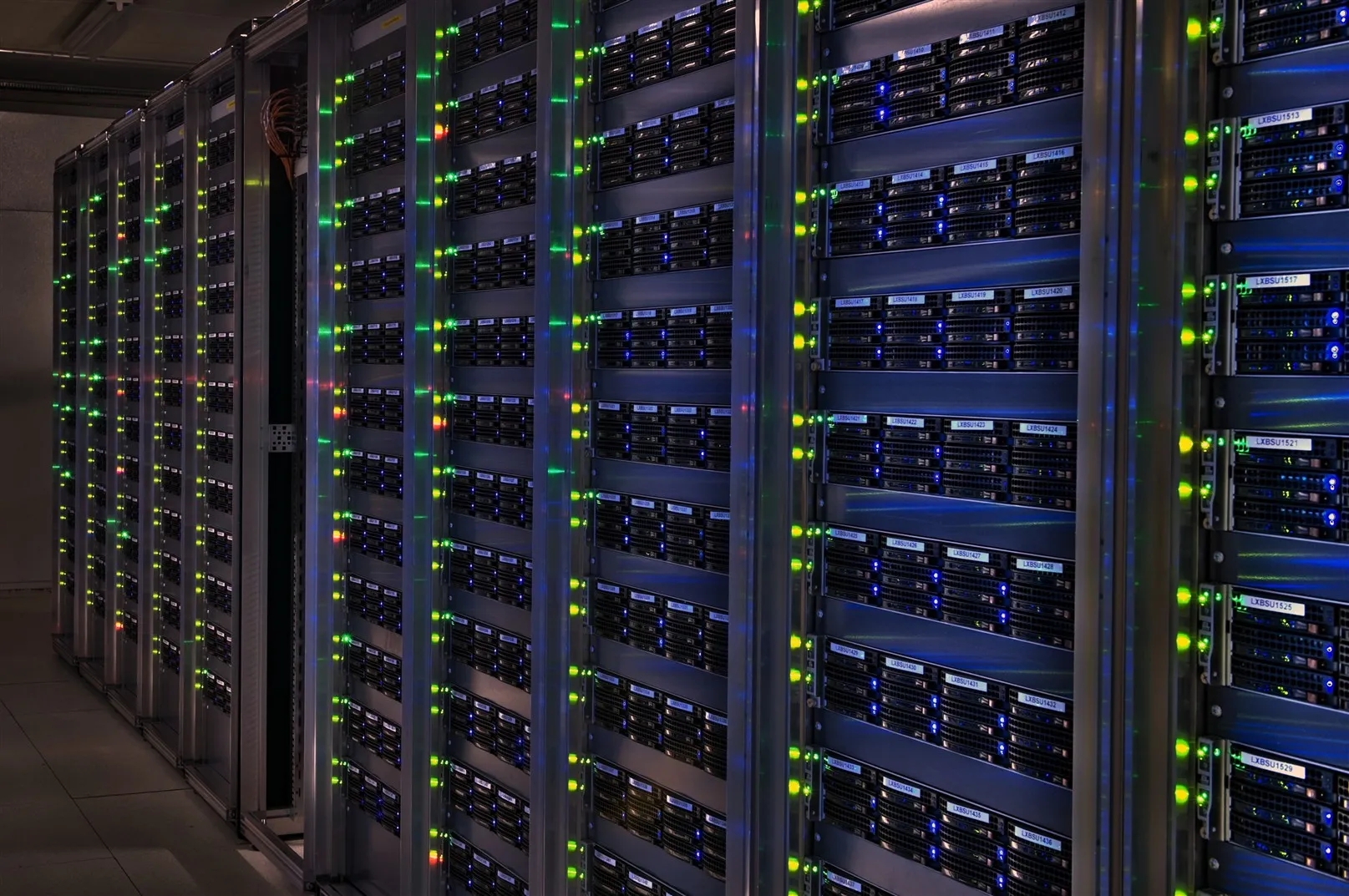
A new data centre at CERN
The new data centre complements the existing centre and will allow CERN to respond to the growing data-processing needs of the worldwide scientific community
-

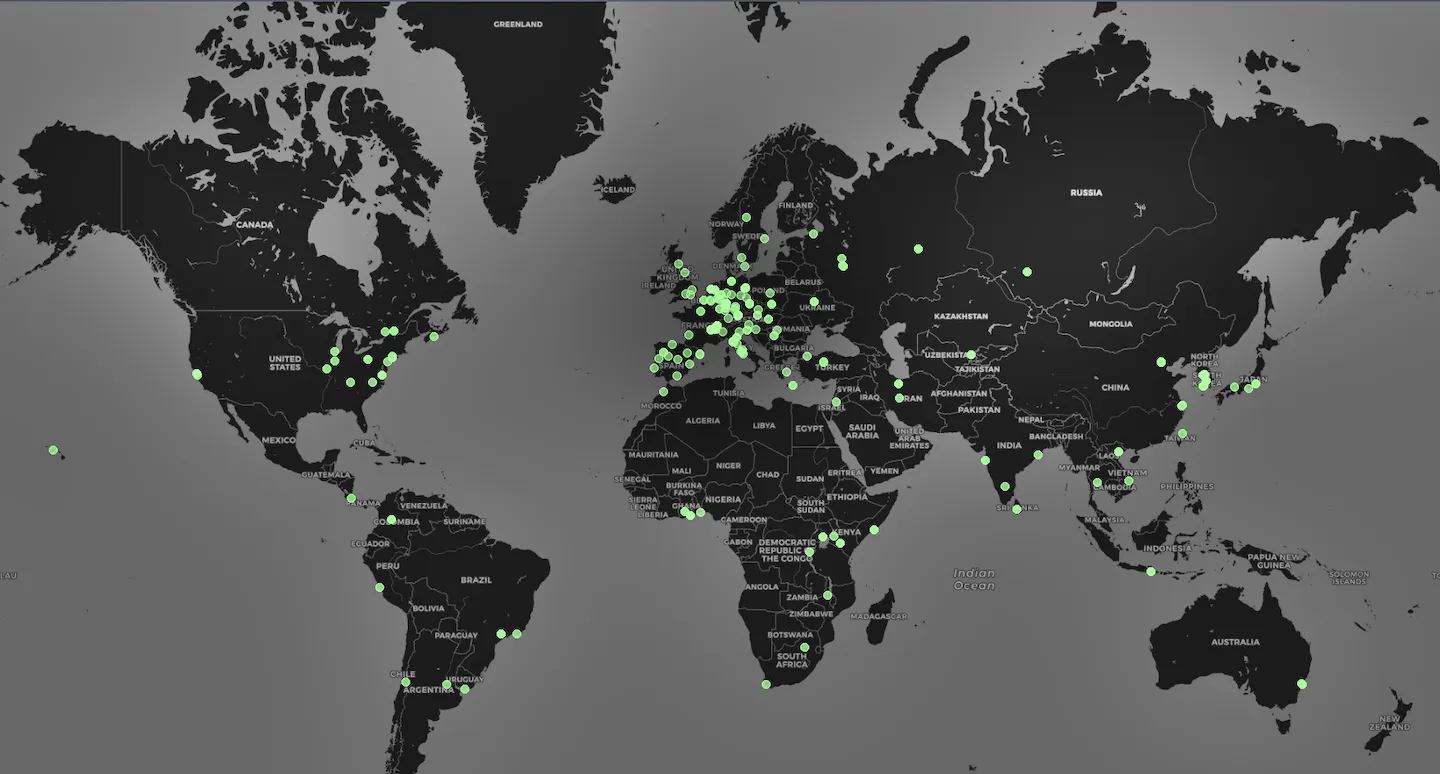
Serbia joins the Worldwide LHC Computing Grid
On 9 December, CERN and Serbia signed a Memorandum of Understanding (MoU) at the Serbian State Data Centre. The centre will become a Tier1 member of the Worldwide LHC Computing Grid (WLCG), the highest level of collaboration within the Grid