
Author: Rory Harris
-

Oxygen collisions at the LHC show new indications of extreme state of matter
One year on from the first-ever collisions of oxygen at the Large Hadron Collider (LHC), the main LHC Collaborations – ALICE, ATLAS, CMS and LHCb – have each reported signs of the state of matter known as quark–gluon plasma (QGP) originating from these collisions. QGP is a state of matter that forms under intense pressure
-
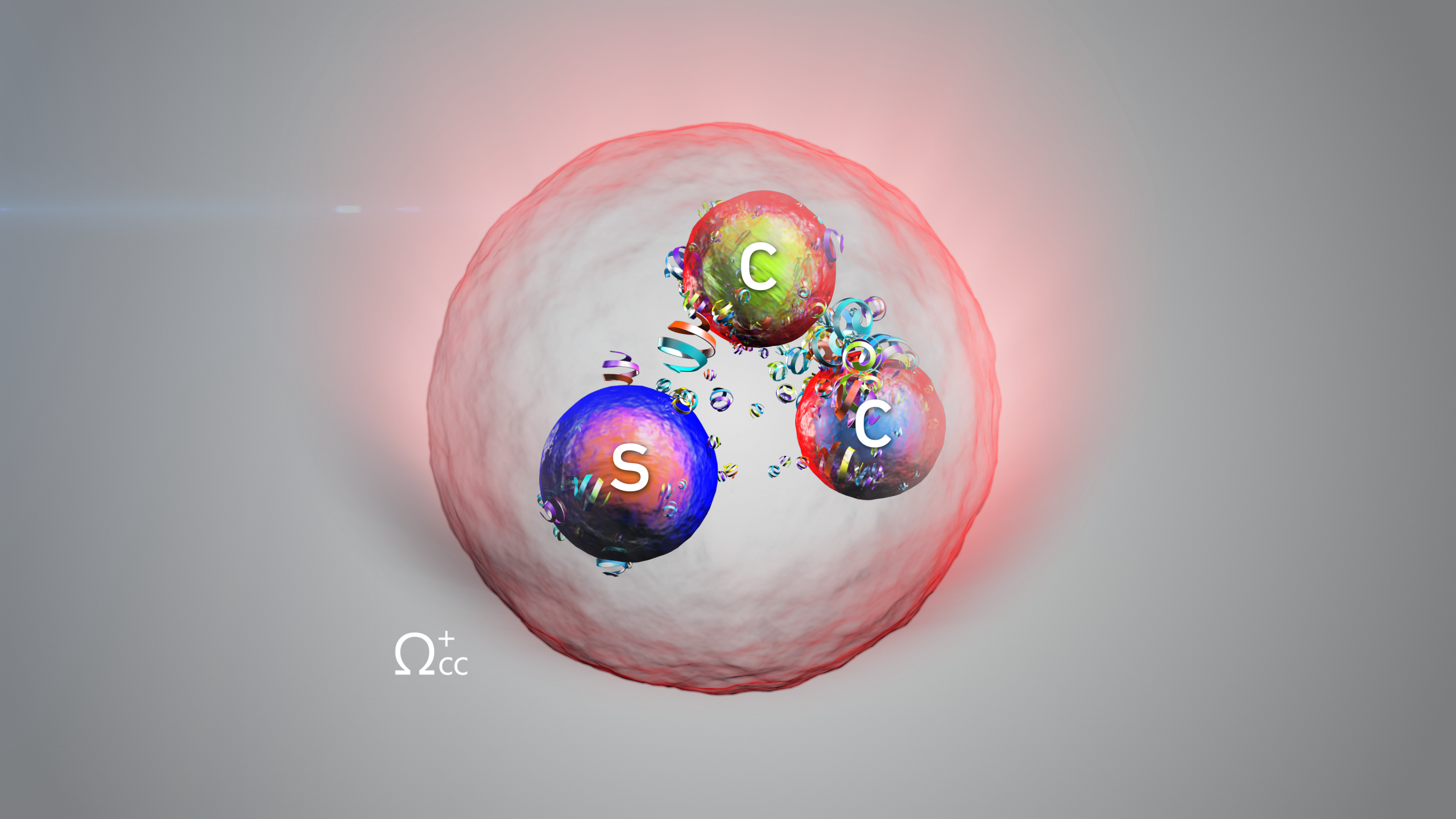
LHCb discovers the final missing member of a doubly charmed particle family
The LHCb Collaboration has found a new particle consisting of one strange quark and two charm quarks. With this finding, the Collaboration has discovered the final member of a family of doubly charmed baryons – particles made up of two charm quarks and one other quark – and closes a chapter of a story that
-
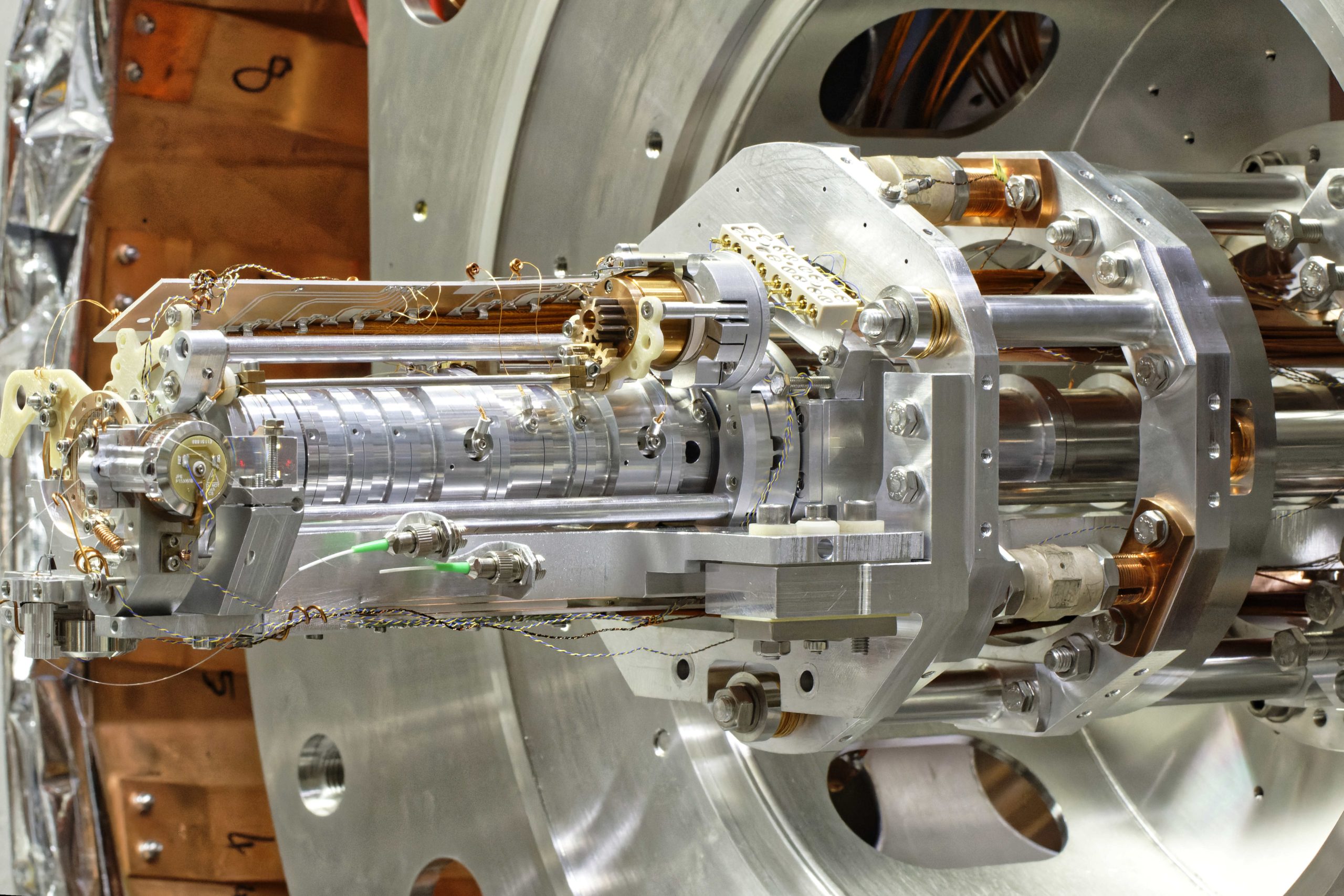
Getting under the skin of atomic nuclei using antimatter
Researchers at the AEgIS experiment have piloted a new method to delve into the heart of atoms. This proof-of-principle study, recently reported in Physical Review Research, shows how antiprotons – the antimatter counterparts of protons – could be used to probe the outer edges of a wider range of atomic nuclei. And with CERN’s recent
-
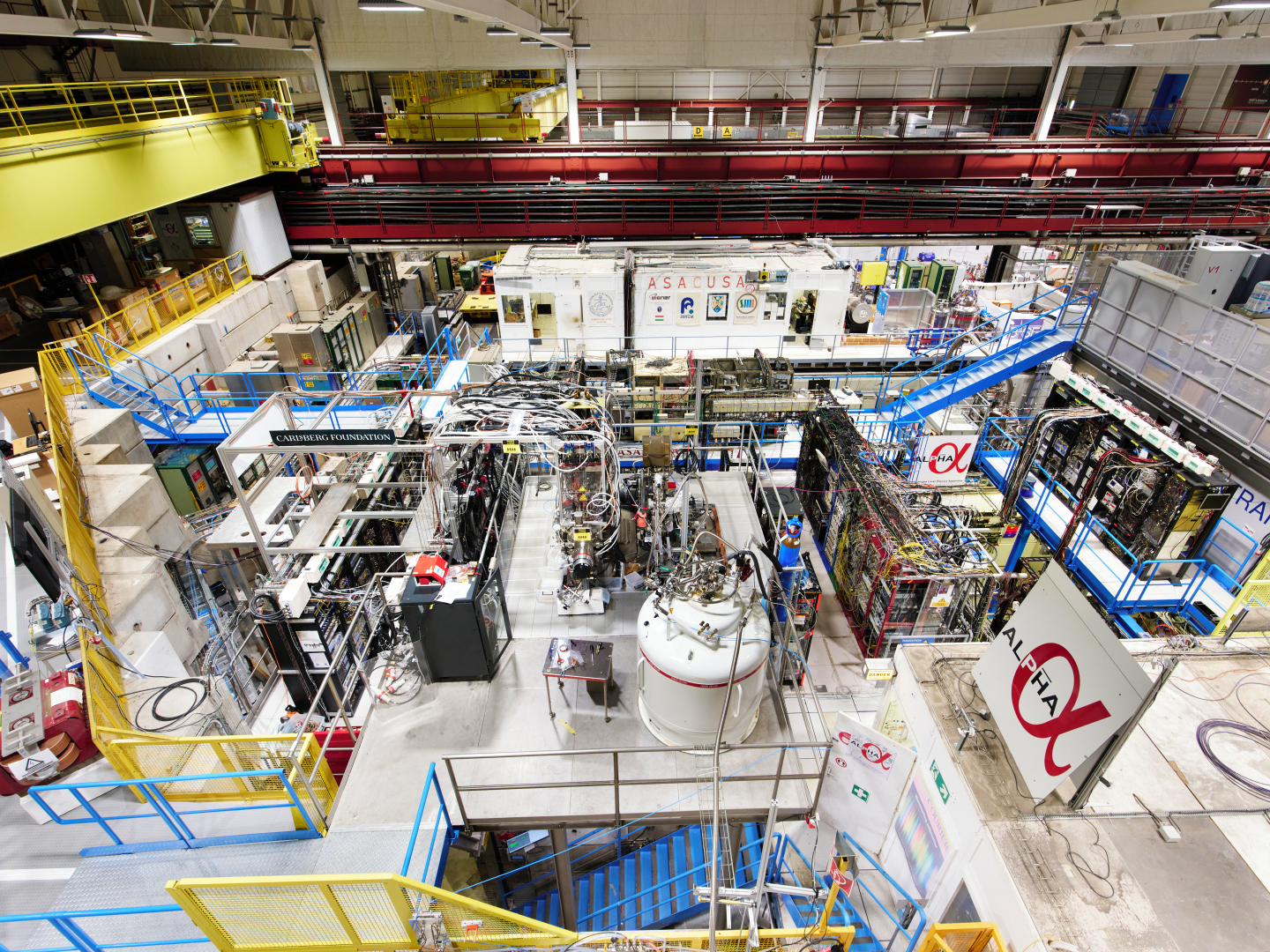
ALPHA measures tiny energy gap in antimatter with improved precision
Researchers at the ALPHA experiment have achieved a hundredfold improvement in their measurement of a feature of the antimatter counterpart of the hydrogen atom. The result, published today in Nature, allows a precise comparison of hydrogen and antihydrogen. In this study, the ALPHA Collaboration measured the ground-state hyperfine splitting of the antihydrogen atom, which comprises
-
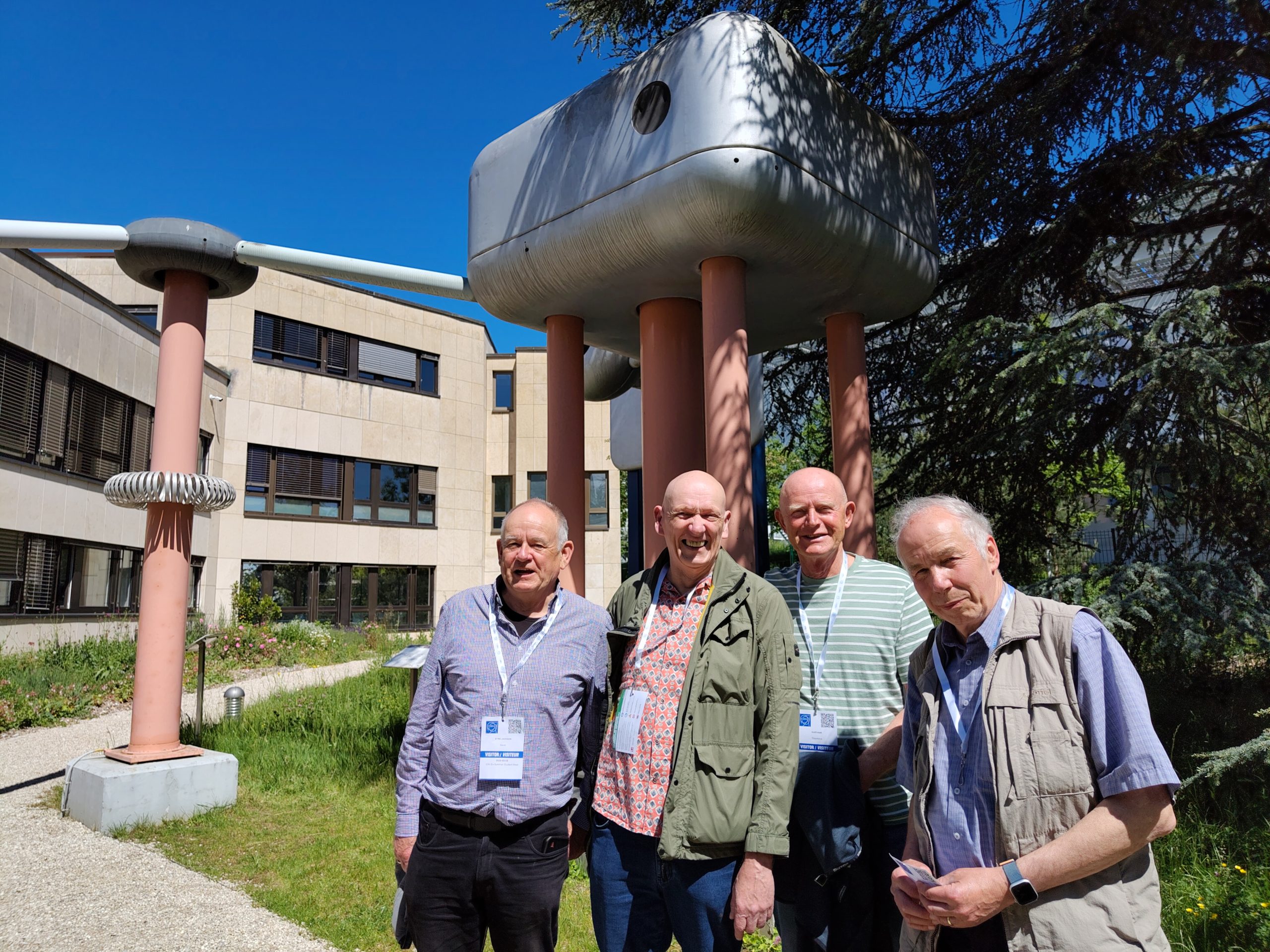
CERN summer students reunite 50 years later
On 8 May 2026 a group of alumni of CERN’s Summer Student Programme reunited at the place where they first met 50 years ago. The group of four (left to right: Dave Eyre, Christian Gerke, Theo Oyevar and Claus Gössling) first came to CERN in 1976, when the Super Proton Synchrotron had just begun operating.
-
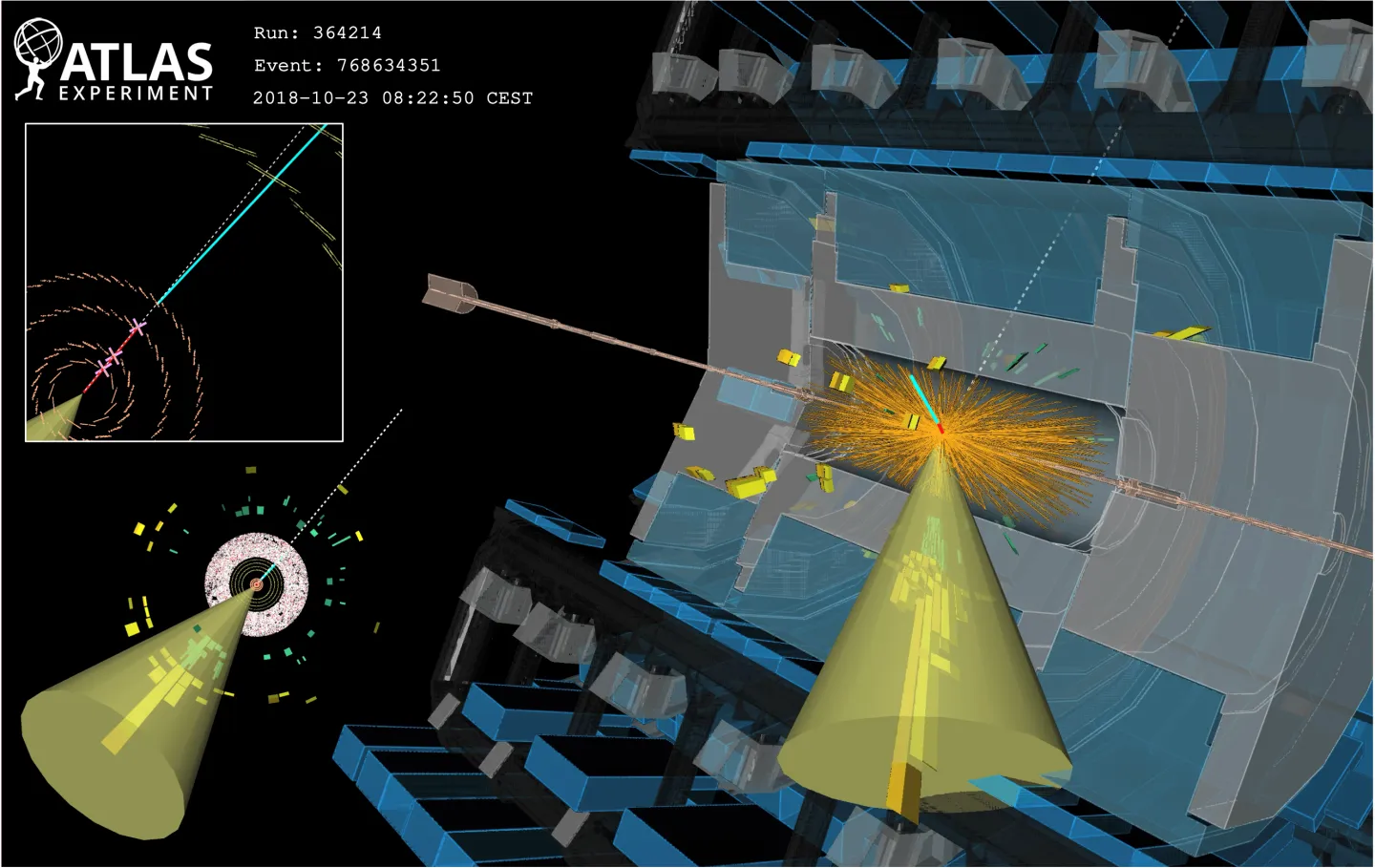
ATLAS sets strong limits on supersymmetry
Using machine-learning techniques, the ATLAS Collaboration has searched deep for signs of particles that could help answer some of the greatest mysteries of physics
-
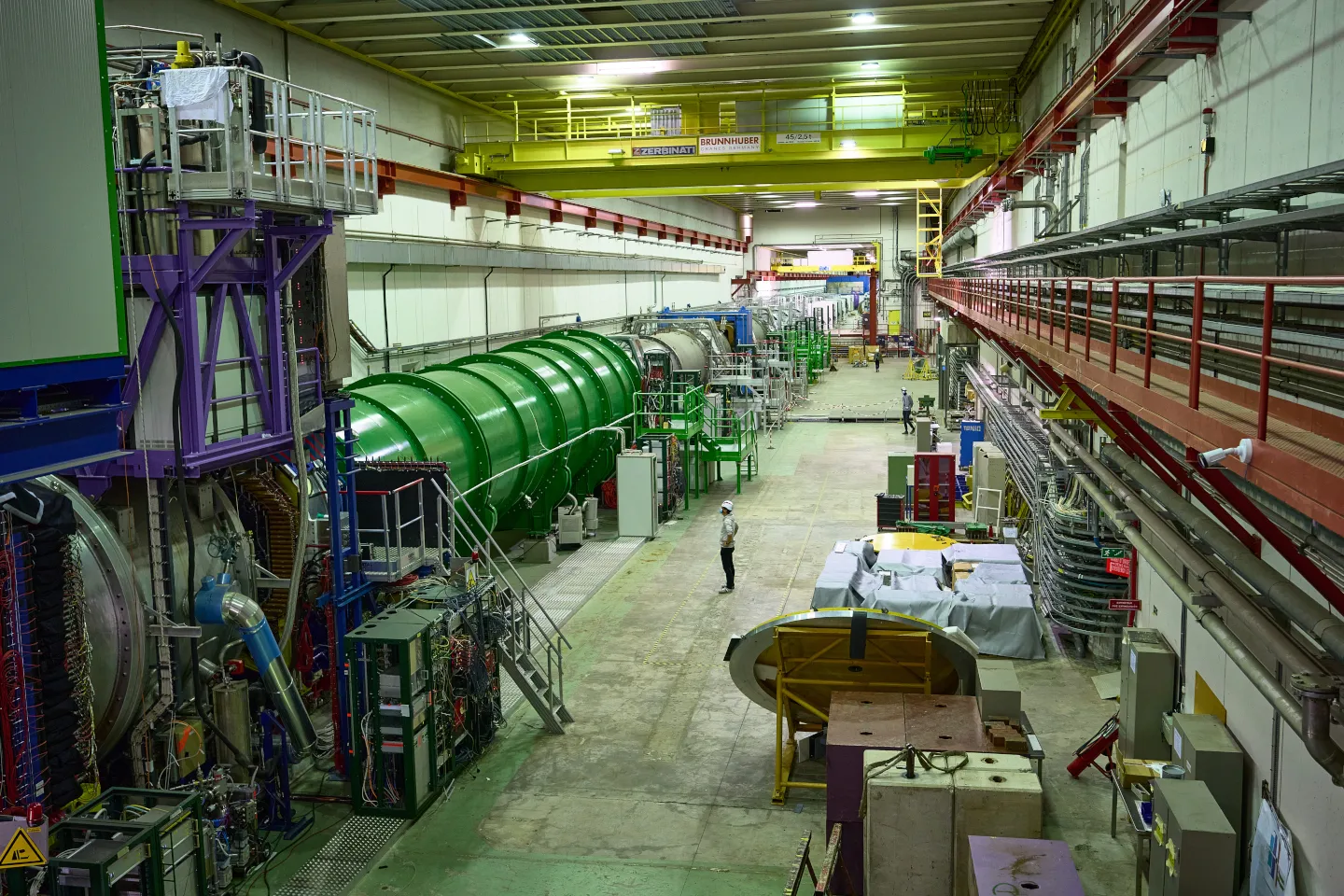
NA62 Collaboration refines measurement of rare particle decay
Study of the one-in-ten-billion kaon decay allows researchers to stress-test the Standard Model of particle physics
-
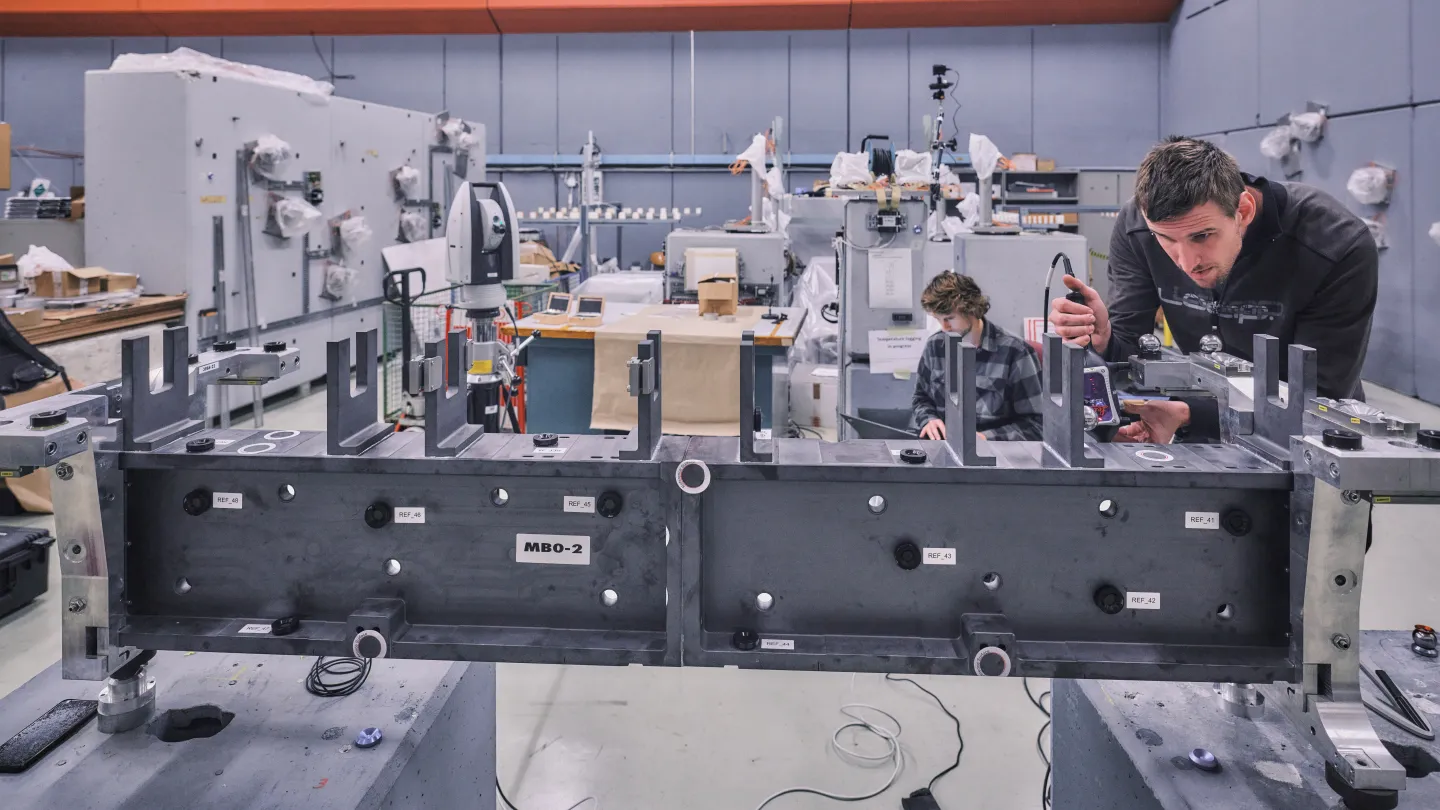
European labs get aligned at CERN
Eleven laboratories have all come to CERN to measure a girder, using their state-of-the-art equipment to establish a common definition of alignment uncertainty
-
CERN hits one exabyte of stored experimental data from the LHC
One million terabytes of experimental data from the LHC have now been sent to the CERN storage system
-
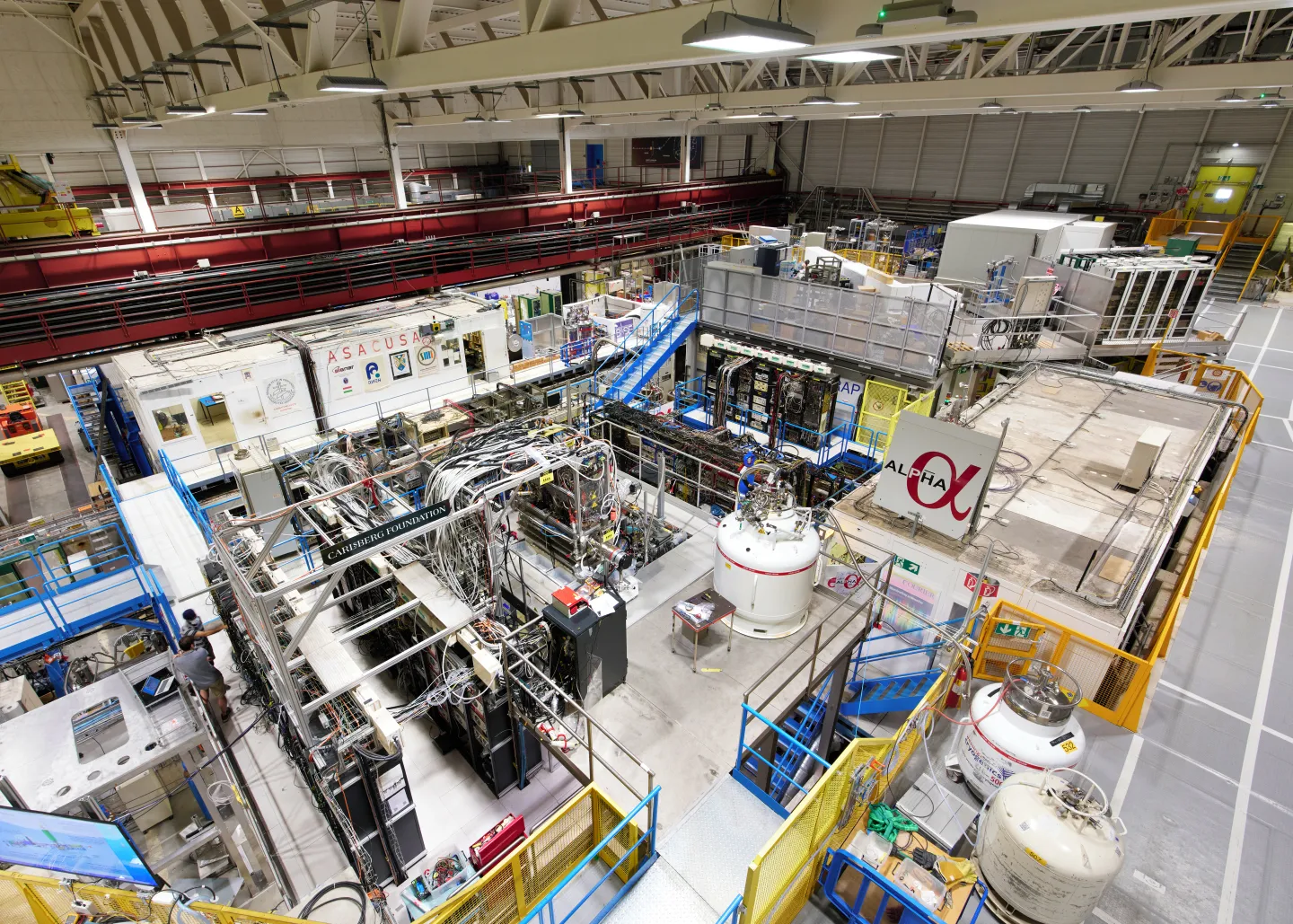
Breakthrough in antimatter production
A new cooling technique means that the ALPHA experiment at CERN’s Antimatter Factory can produce antihydrogen atoms eight times faster than before