
Author: CMS collaboration
-
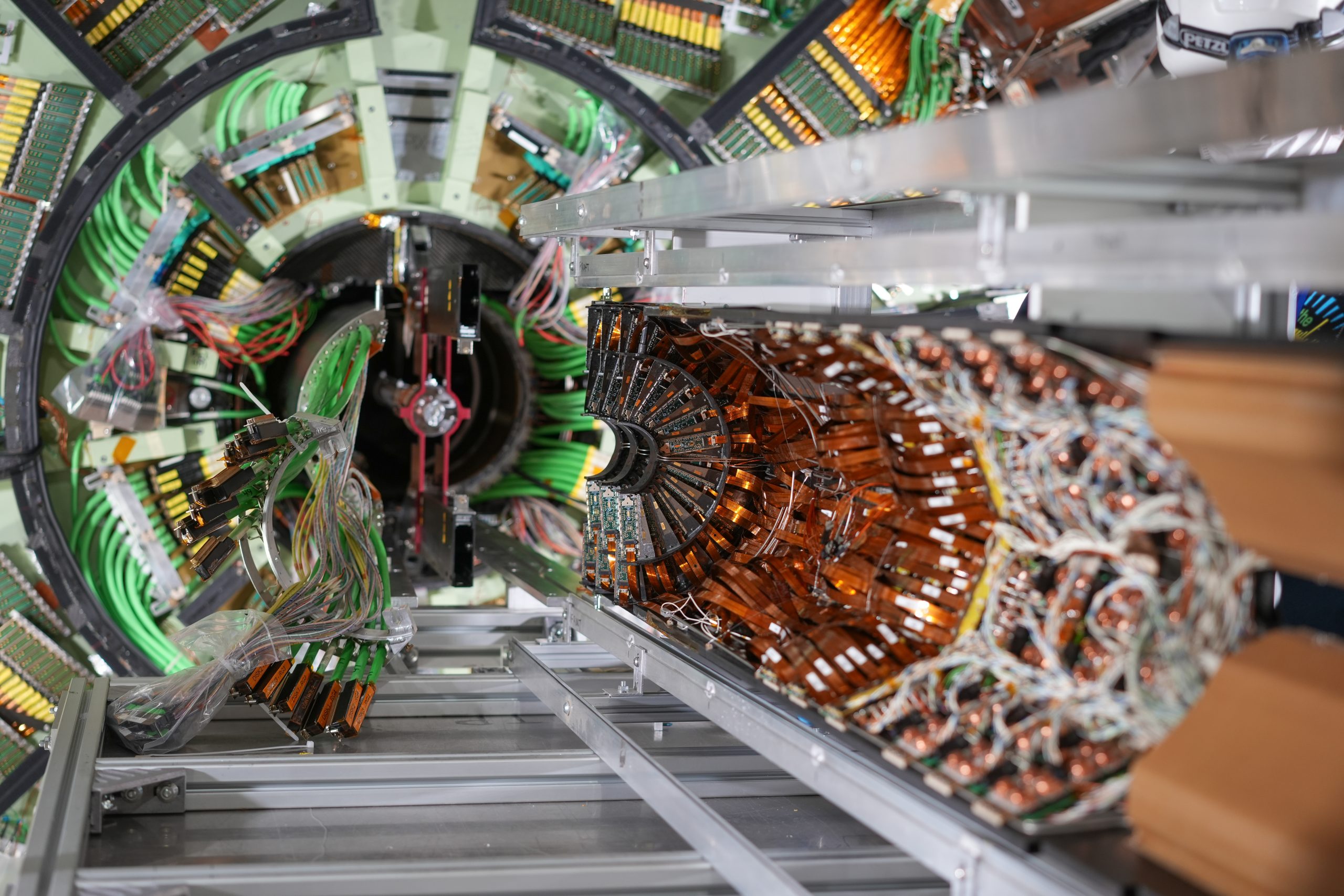
CMS pixel detector extracted after 10 years of successful operations
-
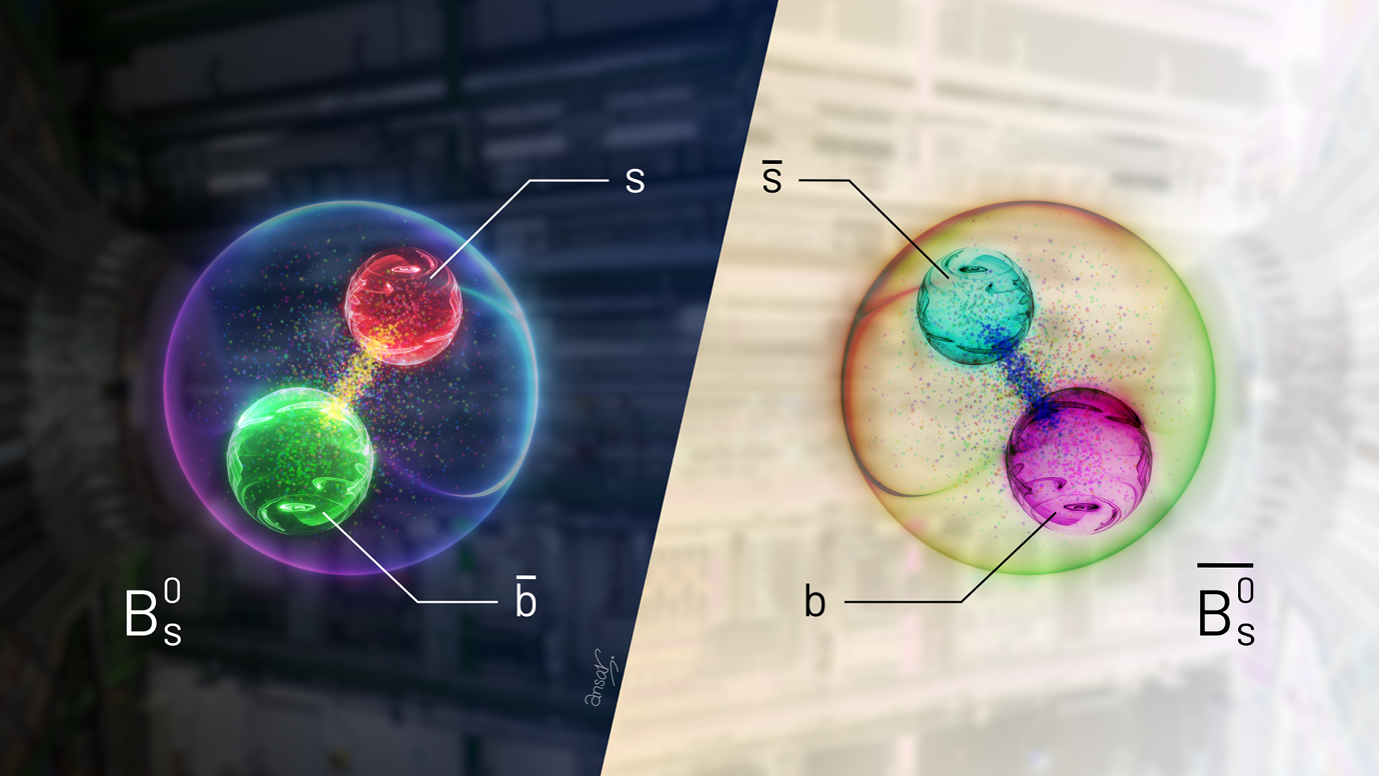
CMS explores subtle matter–antimatter difference using beauty mesons
The CMS experiment uses its largest sample of beauty mesons to date to perform a high-precision test of subtle differences between matter and antimatter
-
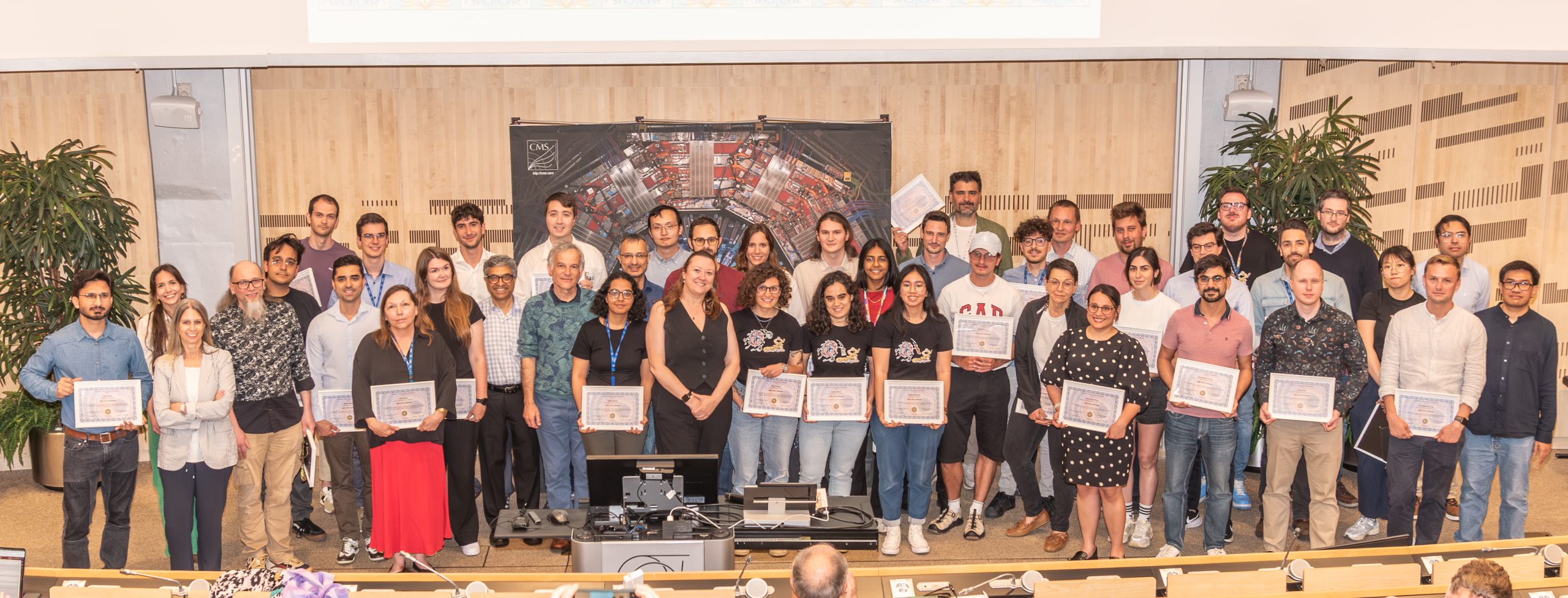
CMS celebrates the winners of its 2025 Awards
Every year, the CMS Collaboration congratulates individuals who have made significant contributions across the experiment by presenting them with a CMS Award. These Awards highlight the essential work done in detector operations, software development, data analysis, and overall efforts made on behalf of the Collaboration. “Within CMS, many colleagues make contributions that go beyond the
-
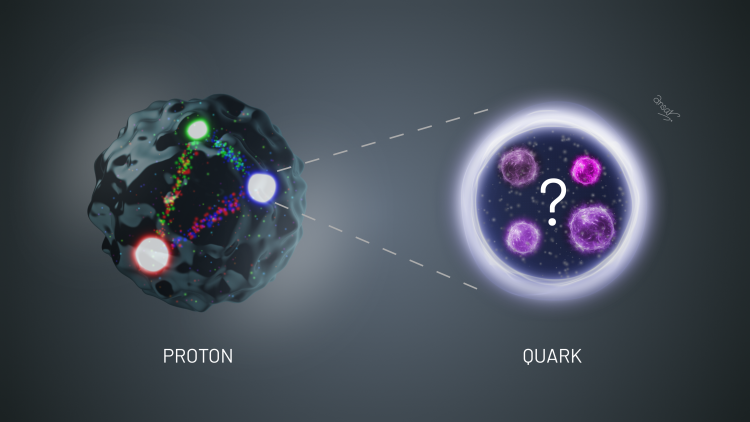
CMS looks deep inside quarks
The CMS Collaboration has probed deep inside quarks to search for potential building blocks within them
-
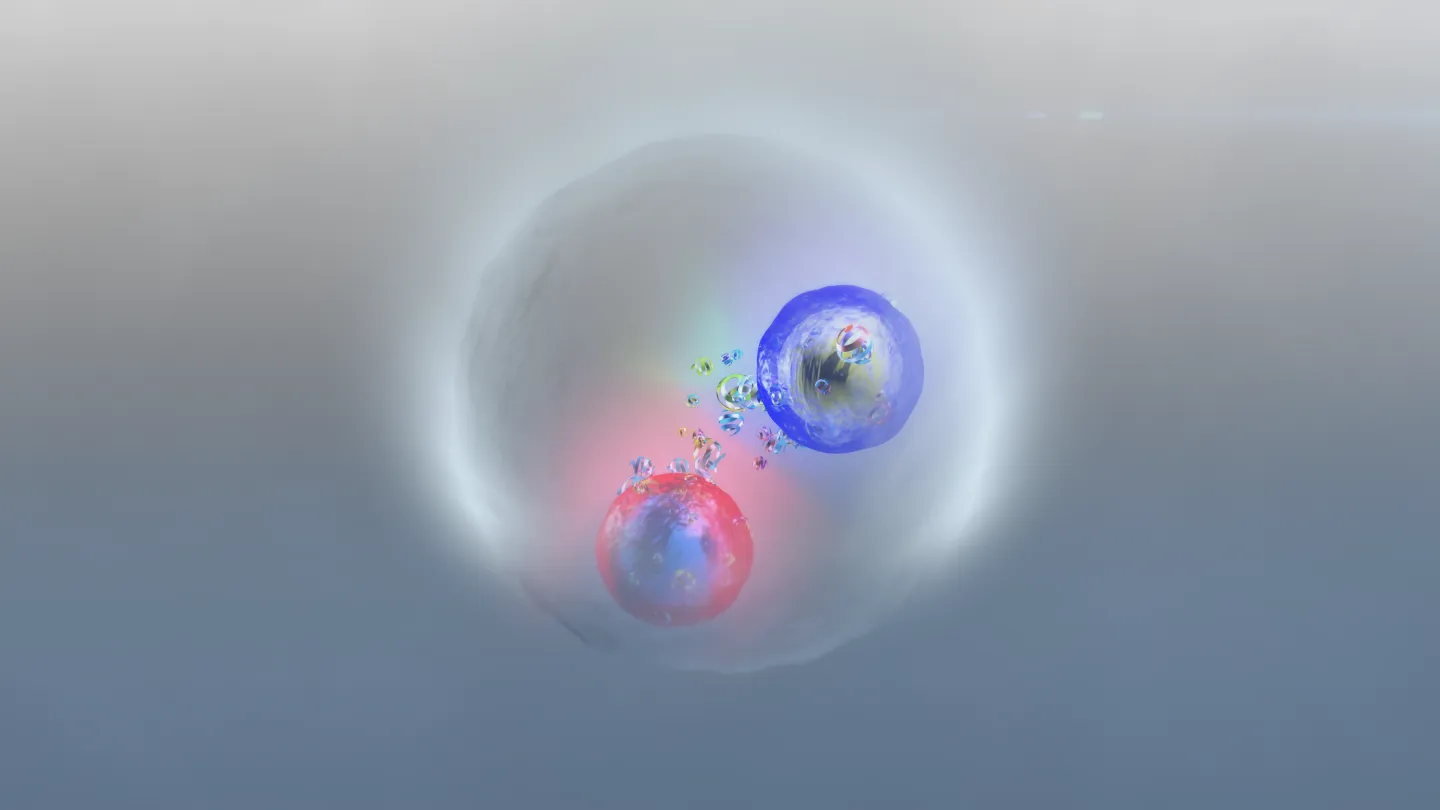
CMS strengthens the case for toponium
A new independent measurement by the CMS experiment at the LHC is consistent with the existence of the most massive composite particle ever observed, the momentary union of a top quark and its antiquark
-
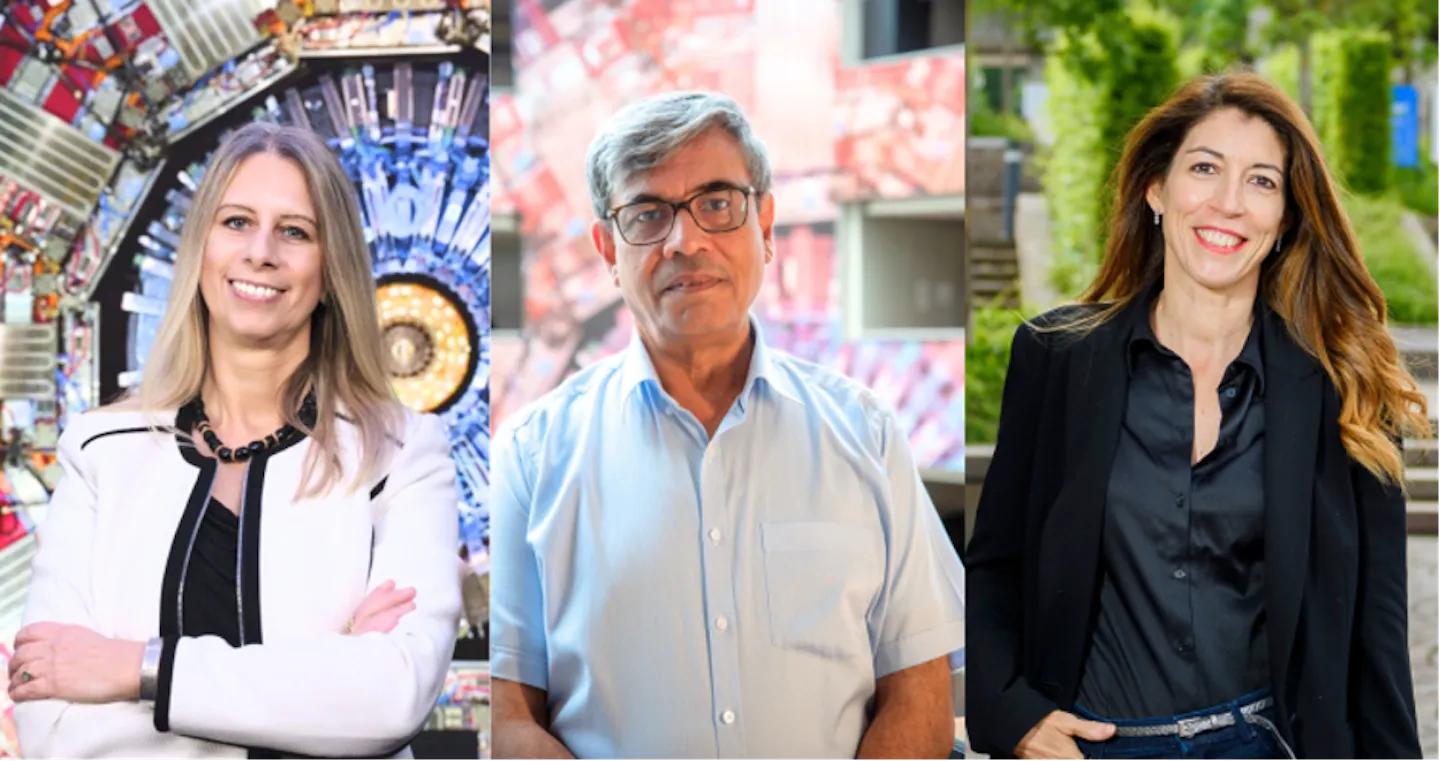
CMS welcomes new management for 2026–2028
With more than 6000 scientists, engineers, technicians, administrators and students, CMS is one of the world’s largest scientific collaborations. From 1 January 2026 to 31 August 2028, Anadi Canepa has the important role of representing the Collaboration as its Spokesperson. Joining her as deputies are Hafeez Hoorani, who continues in his present role until 31
-
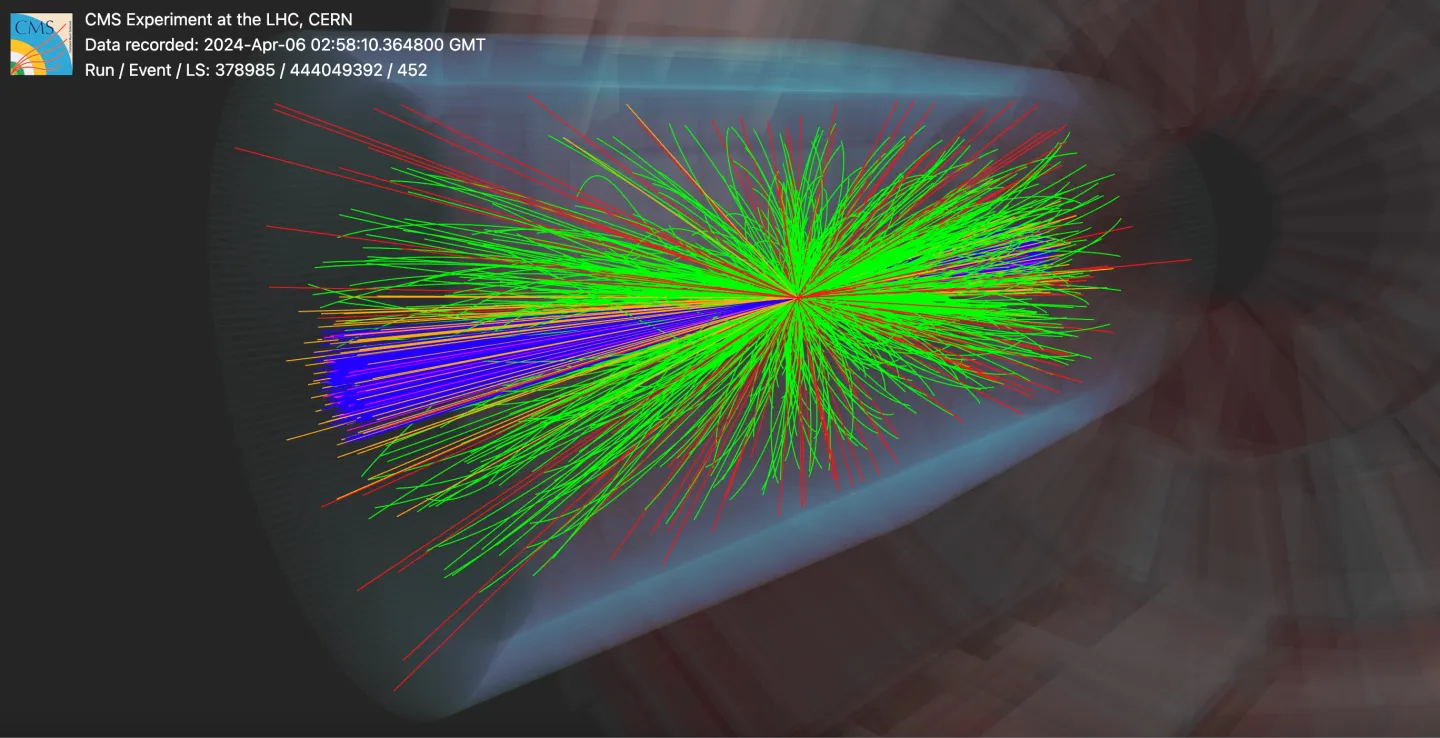
Machine learning to reveal more about LHC particle collisions
The CMS Collaboration demonstrates that machine learning can outperform traditional methods in the full reconstruction of particle collisions at the LHC
-
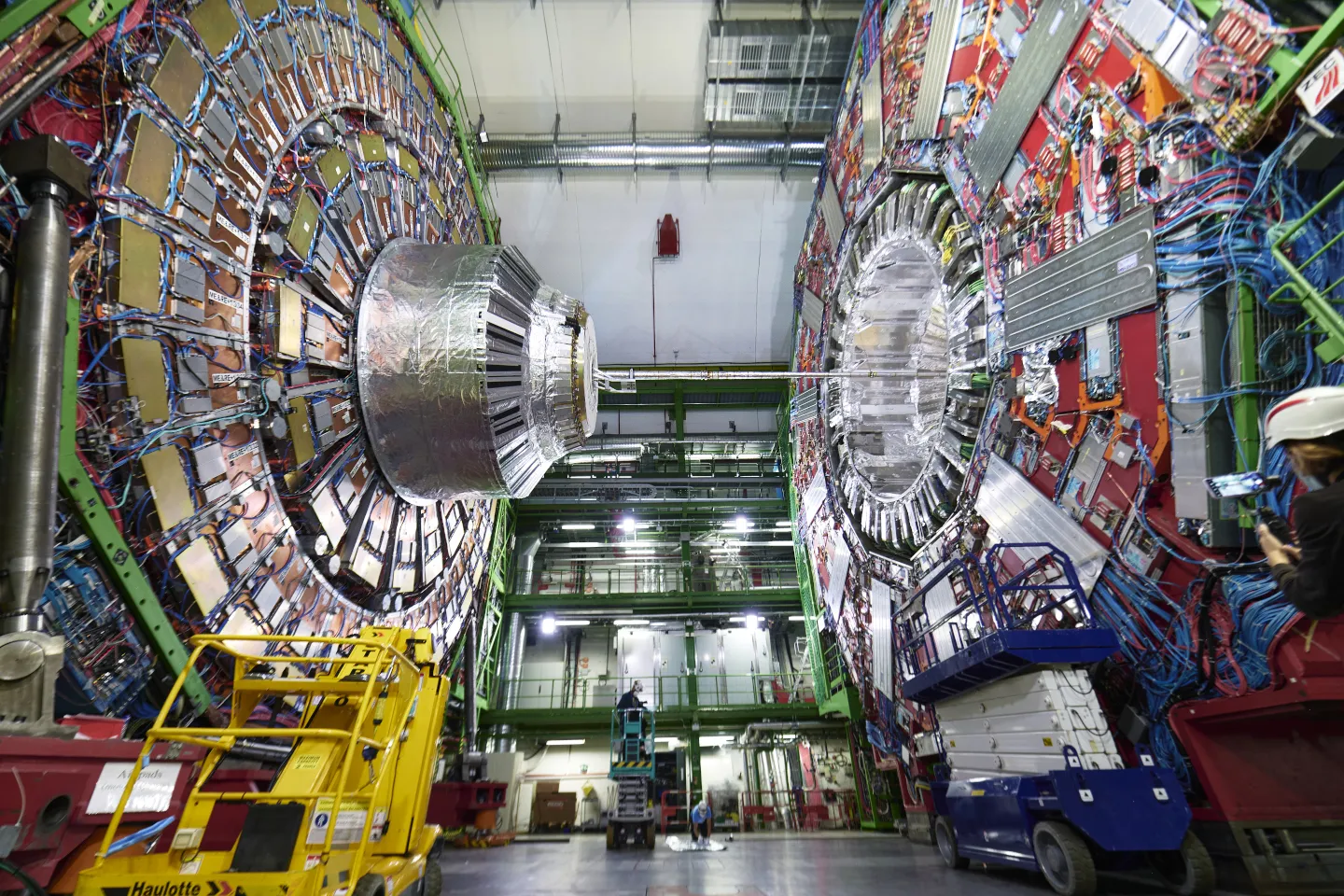
First observation of single top quark production with W and Z bosons
This incredibly rare phenomenon, observed at the CMS experiment, can help probe the fundamental forces of nature
-
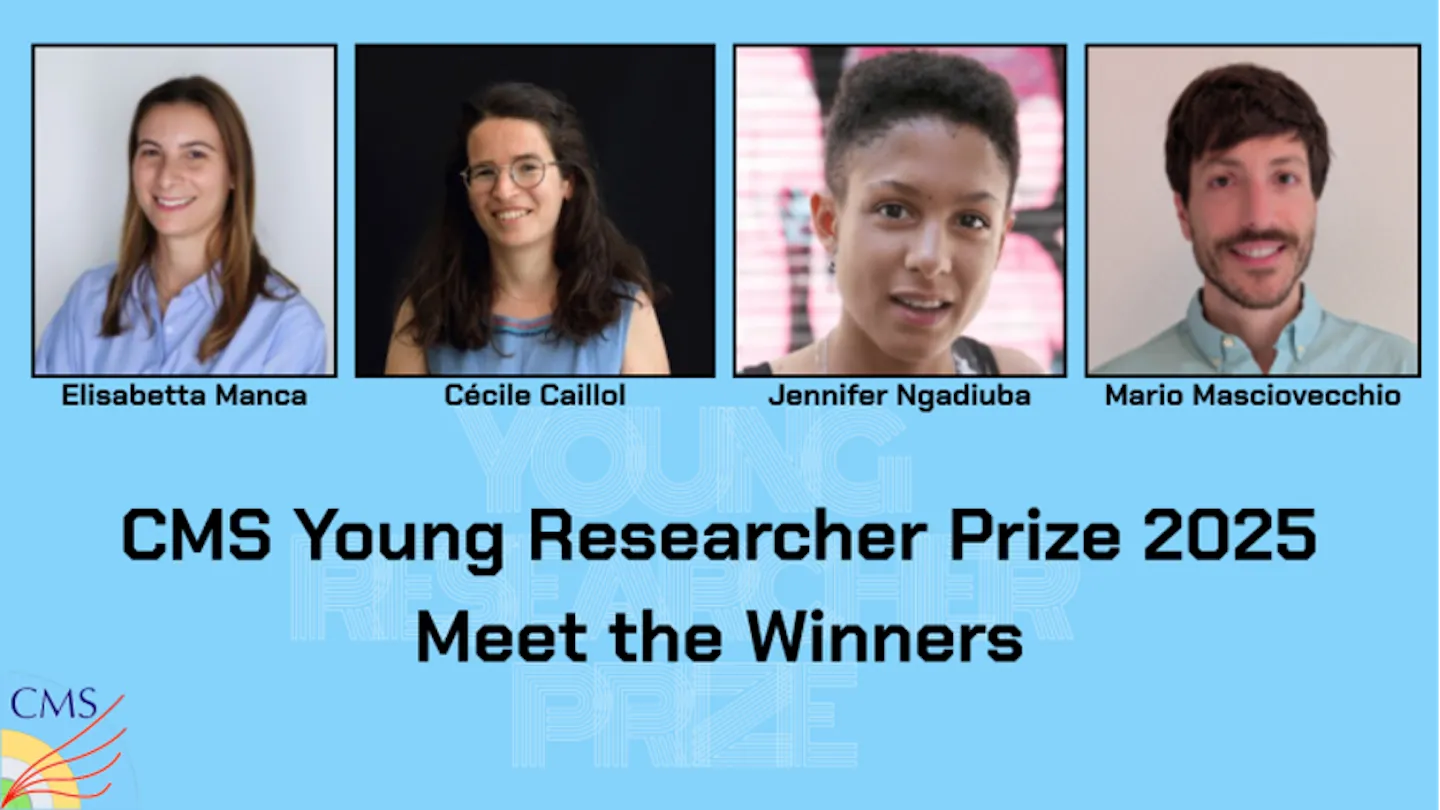
CMS congratulates its 2024 Thesis Award and 2025 Young Researcher Prize winners
2024 CMS PhD Thesis Award During the September 2025 CMS week, the CMS collaboration announced the winners of the 2024 CMS PhD Thesis Award. After a rigorous evaluation of a remarkable pool of 19 nominees, the collaboration honoured Congqiao Li (Peking University, CN), Christina Wenlu Wang (California Institute of Technology (Caltech), US) and Ho Fung
-
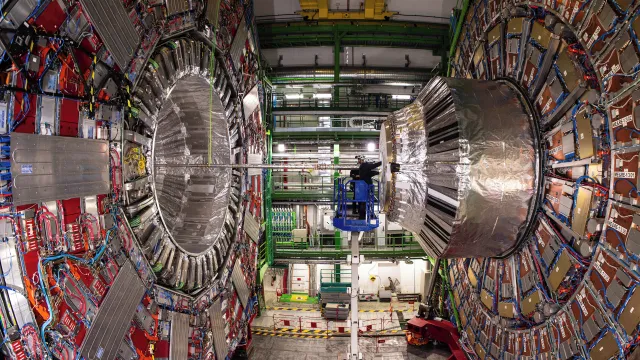
Clocking nature’s heaviest elementary particle
The CMS collaboration has tested whether top quarks play by Einstein’s rules all day and all night